The history
Barcelona: when a rock singer met a soprano
How Freddie Mercury and Montserrat Caballé came to record together, why the song matters to a Vienna concert and what happened next.
Reserve your candlelit evening ↗Quick answer
Barcelona was a collaboration between Freddie Mercury and the Catalan soprano Montserrat Caballé, released as a single on 26 October 1987 and as an album the following year. It is the clearest evidence that Queen's singer wanted to cross between rock and opera, and it explains why a Vienna concert pairs his songs with arias.
A short timeline
| Date | What happened | |
|---|---|---|
| Spanish television | 1986 | Mercury says he would like to meet Caballé |
| First meeting | February 1987 | They meet in Barcelona |
| Single | 26 October 1987 | Barcelona released by Polydor |
| La Nit festival | 8 October 1988 | They perform together in Barcelona |
| Reissue | 20 July 1992 | The single reaches number two in the UK |
A fan's request
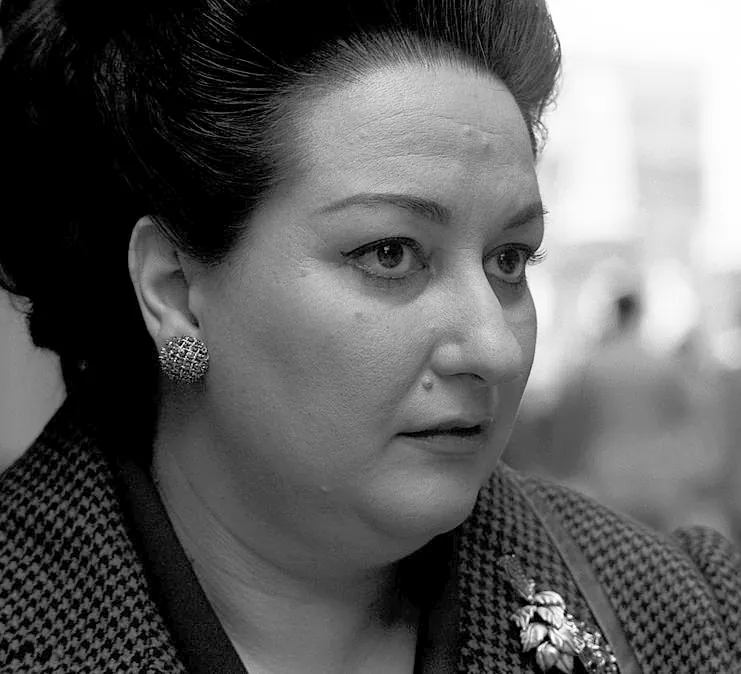
The story begins with admiration. Wikipedia says Mercury was a longtime opera fan, especially of Caballé, and that in 1986 he told Spanish television he would like to meet her. They first met in Barcelona in February 1987. Caballé was born in Barcelona on 12 April 1933 and died there on 6 October 2018, aged 85. Wikipedia describes her as a soprano best known for Verdi and the bel canto composers Rossini, Bellini and Donizetti, and it says her 1965 Carnegie Hall performance in Donizetti's Lucrezia Borgia brought her international recognition. A soprano, the same article explains in its general account of the voice type, is the highest of the classical voices and often sings leading roles in opera. For a rock singer who loved opera, she was a natural first choice.
From a single to an album
The article on the song says that after the Barcelona Olympics were awarded for 1992, Caballé, a native of the city, was asked to help produce a song for the Games and asked Mercury to collaborate. She suggested an album rather than a single, and he agreed. The song was credited to Mercury and Mike Moran and produced by Mercury, Moran and David Richards. Because of Caballé's schedule, Mercury recorded her part himself in falsetto and sent her a tape so she could prepare for the studio sessions. The single came out on 26 October 1987 on Polydor, and the album followed in 1988. Wikipedia lists the first release at number eight on the UK Singles Chart.
The last stage
On 8 October 1988 Mercury and Caballé performed at the open-air La Nit festival in Barcelona, which marked the arrival of the Olympic flag from Seoul. Wikipedia says they sang three songs from the forthcoming album and that this was Mercury's last live performance. He died on 24 November 1991. The single was reissued on 20 July 1992 and peaked at number two in the UK, the Netherlands and New Zealand, and the recording was played at the start of the international broadcast of the Olympic opening ceremony. A Vienna concert that includes Barcelona is therefore using a song with an unusual place in popular music: a studio duet between a rock icon and a soprano that ended up as a symbol of a city's Games.
What Caballé said
Wikipedia's article on Mercury quotes Caballé as saying that the difference between Freddie and almost all other rock stars was that he was selling the voice. The same article attributes to a source citing her a vocal range from F2 to F6, and says he could belt up to F5, while a biographer described a voice that moved from a deep rock growl to a high, perfect coloratura. Treat those figures as claims by sources, not measurements, but they explain why a trained soprano and tenor can sing his lines without rewriting them beyond recognition.
Why it matters in Vienna
Vienna is a city where opera is a routine pleasure, so a concert that sets Queen against arias fits the setting. The booking page lists Barcelona among the pieces the programme may include. If it appears on your night, you will be hearing a song written for a rock singer and a soprano by two people who admired each other's art, sung now by performers drawn from the opera tradition. That is a good reason to listen closely to the passages where the voices overlap.
Frequently asked questions
Who wrote Barcelona?
Wikipedia credits Freddie Mercury and Mike Moran.
Was it a hit?
It reached number eight in the UK on its first release and number two on the 1992 reissue.
Sources